 Agency News

The Office of the Tax Ombud is targeting the establishment of six regional offices across the country’s six geopolitical zones before the end of 2026 as part of efforts to bring its services closer to taxpayers, address complaints more efficiently and promote transparency and accountability in Nigeria’s tax and revenue administration system.
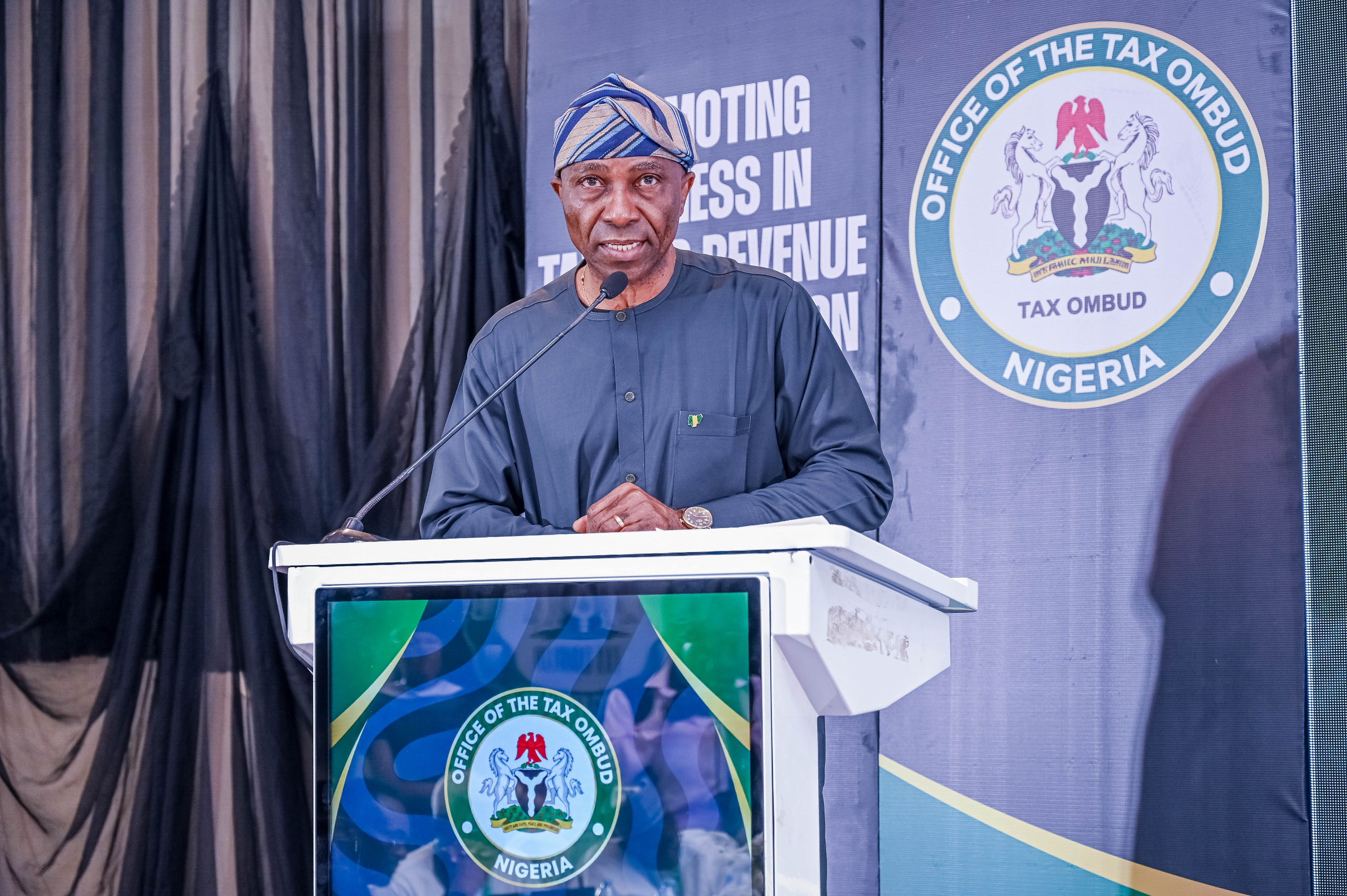
The Tax Ombud/Chief Executive, Office of the Tax Ombud, Dr. John Nwabueze, disclosed that the proposed regional offices would commence operations subject to the final approval of President Bola Ahmed Tinubu, GCFR, President and Commander-in-Chief of the Armed Forces of the Federal Republic of Nigeria.
Dr. Nwabueze made this disclosure in Abuja on Friday during the fourth-quarter 2026 Breakfast Meeting with members of the Finance Correspondents Association of Nigeria (FICAN), organised by the Office.
Speaking further, the Tax Ombud said the Office had, in recent weeks, intensified its stakeholder engagement and public awareness initiatives in line with its commitment to “bridging differences and building trust” within the tax and revenue administration system.
“Through collaborations with independent partner organisations and government agencies, as well as the strategic use of traditional and modern communication platforms, the Office aims to educate and empower taxpayers nationwide,” Dr. Nwabueze said.
He disclosed that since its inception, the Office had handled a growing number of taxpayer complaints, with approximately 82 per cent of reported cases already addressed and brought to satisfactory resolution.
To further improve its efficiency and responsiveness, Dr. Nwabueze said the Office was streamlining its internal processes and planning to establish dedicated Tax Ombud desks within all 36 state tax authorities.
Read also:NAICOM demands stronger governance from Insurers after recapitalisation
The initiative, he explained, would facilitate real-time case handling and strengthen communication between taxpayers and tax authorities.
He added that the Office recognised the critical role of state governments and federal agencies in advancing its mandate, noting that strong partnerships had already been established and feedback from state governments had been overwhelmingly positive.
“Meaningful cooperation with the National Assembly and other critical stakeholders continues to strengthen support for the Office’s activities and underscores its role as a neutral mediator in tax and revenue-related disputes, within the broader fiscal policy framework under the leadership of the Minister of Finance and Coordinating Minister of the Economy,” he said.
The Tax Ombud emphasised that the services of the Office were entirely free and encouraged taxpayers across the country to bring forward their complaints whenever they experienced challenges in their dealings with tax and revenue authorities.
He explained that the Office provides an accessible and cost-effective alternative to lengthy court proceedings by facilitating fair and impartial resolutions through constructive engagement between taxpayers and tax authorities. Where complaints cannot be resolved through this process, appropriate avenues for further escalation remain available.
“We are dedicated to building trust in the tax system and ensuring that all Nigerians have their voices heard. With the proposed launch of our regional offices and continued investment in public awareness and stakeholder engagement, we are confident in our ability to serve the nation better,” Dr. Nwabueze said.