 Agency News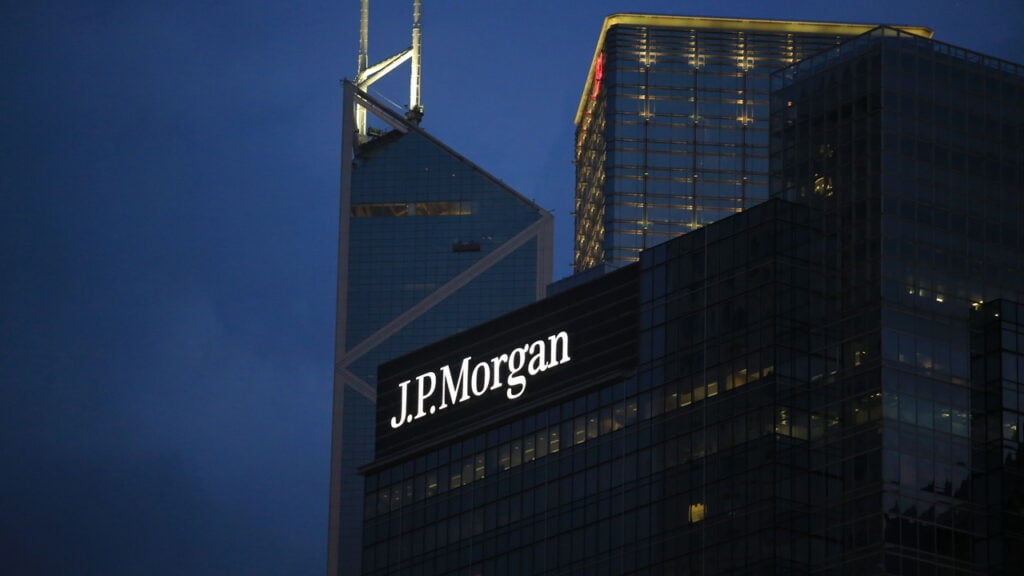
Swat Bako, Abuja
Nigeria is set to attract fresh foreign portfolio investment into its domestic bond market following its inclusion in J.P. Morgan’s newly launched Government Bond Index–Emerging Markets Edge (GBI-EM Edge).
The Federal Ministry of Finance said the development could strengthen demand for Federal Government of Nigeria (FGN) bonds, improve market liquidity and help bring down borrowing costs.
J.P. Morgan has allocated Nigeria a 7.40 per cent weighting in the index, placing the country among the markets with the highest allocations in the 26-country benchmark.
The development also marks Nigeria’s return to a J.P. Morgan bond index after more than a decade. The country was removed from the GBI-EM Global Diversified Index in 2015 following foreign exchange liquidity challenges.
The Finance Ministry attributed the latest inclusion to reforms undertaken by the Federal Government, particularly measures aimed at stabilising the naira and clearing the foreign exchange backlog.
Nigeria met J.P. Morgan’s requirements based on the liquidity of its government bonds and the size of its outstanding debt instruments.
The qualifying FGN bonds are actively traded under the Two-Way Quote System, while outstanding volumes exceed the $250 million minimum required for inclusion.
The GBI-EM Edge tracks about $328 billion worth of local-currency government debt globally.
Nigeria’s allocation represents approximately $17.47 billion in eligible FGN debt across 16 instruments.
The ministry said global funds that track the index are expected to increase their exposure to Nigerian government securities as they adjust their portfolios to reflect the new weighting.
Read also:FG inaugurates Tax reform committee
This could push up demand for FGN bonds and gradually compress yields, potentially reducing the government’s cost of servicing its domestic debt.
The ministry also expects improved activity in the FGN bond market to support liquidity across other segments of the domestic debt market, including Nigerian Treasury Bills.
Finance Minister and Coordinating Minister of the Economy, Taiwo Oyedele, said the inclusion demonstrated growing confidence in Nigeria’s economic management.
He said the development was “a clear, independent endorsement” of the reform agenda of President Bola Ahmed Tinubu’s administration and would help lower the cost of financing the government’s development priorities.
Nigeria’s earlier inclusion in the GBI-EM in 2012 attracted substantial foreign investment into the domestic securities market and helped reduce the cost of government bond issuance by about 200 basis points.
The latest inclusion therefore represents a significant step in the government’s efforts to rebuild international investor confidence and deepen participation in Nigeria’s local debt market.


 Abubakar Siddiq Ibn Usman