 Agency News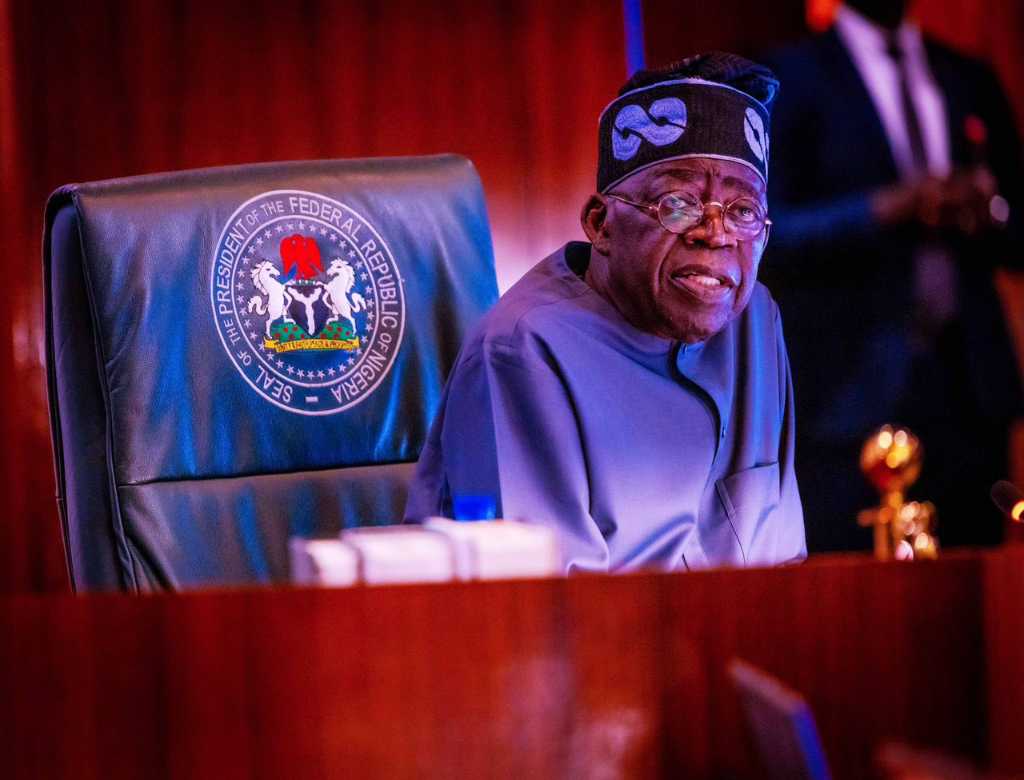
Barbara Bako, Abuja.
The Federal Government has welcomed the International Monetary Fund’s (IMF) latest assessment of Nigeria’s economy, describing it as an endorsement of ongoing reforms aimed at stabilising the economy and promoting sustainable growth.
In a statement issued on Tuesday, The Minister of Finance and Coordinating Minister of the Economy, Taiwo Oyedele, said the IMF’s 2026 Article IV Mission Concluding Statement provided independent validation of reforms implemented by the administration of President Bola Tinubu.
According to the government, the IMF acknowledged improvements in macroeconomic stability, foreign exchange market operations, fiscal management, external reserves and the resilience of the banking sector.
The government noted that measures such as the removal of fuel subsidies, the end of deficit monetisation, foreign exchange market liberalisation and tighter fiscal discipline had helped reduce economic vulnerabilities and improve investor confidence.
It also highlighted the IMF’s observation that Nigeria is now better positioned to withstand external economic shocks, with stronger policy frameworks and financial buffers in place.
The statement comes amid concerns over the economic impact of renewed tensions in the Middle East, which have triggered higher global energy prices and raised fears of inflationary pressures worldwide.
However, the government said the IMF recognised Nigeria’s resilience despite these challenges, citing the stability of sovereign spreads, sustained investor confidence and a foreign exchange parallel market premium that has remained below five per cent.
The Federal Government further noted that rising global energy prices could provide opportunities for Nigeria through higher export earnings, stronger fiscal revenues and increased foreign exchange inflows.
To maximise these gains, it said efforts are ongoing to boost crude oil production, expand domestic refining capacity, increase gas output and attract fresh investments into the energy sector.
While acknowledging the IMF’s concerns over poverty and food insecurity, the government said economic reforms were beginning to yield positive outcomes, pointing to an estimated 10 per cent growth in per capita income in 2025.
It stressed, however, that macroeconomic improvements must ultimately translate into better living standards for Nigerians.
Read also:Tax Ombud moves against multiple taxation
As part of efforts to support vulnerable groups, the government said it is expanding social intervention programmes, including cash transfers, small business support schemes, student loans through the Nigerian Education Loan Fund (NELFUND), consumer credit initiatives and investments in healthcare.
The administration also said it is scaling up agricultural interventions under the Renewed Hope National Agricultural Mechanisation Programme and related initiatives aimed at increasing productivity, strengthening food security and reducing food inflation.
On fiscal reforms, the government welcomed the IMF’s recognition of progress in domestic revenue mobilisation and public financial management, citing the implementation of new tax laws, revenue collection digitisation and measures to improve transparency and accountability.
It added that steps are already being taken to address the IMF’s recommendations on fiscal reporting, budget transparency and data reconciliation through improved coordination among relevant institutions and strengthened reporting systems.
The government said the IMF’s medium-term outlook for Nigeria remains positive, with projections of economic growth above four per cent, stronger fiscal revenues, increased investment and improved external reserves.
According to the statement, recent sovereign credit rating upgrades and declining public debt relative to GDP further reflect growing confidence in the country’s economic trajectory.
The Federal Government reaffirmed its commitment to sustaining reforms, maintaining macroeconomic stability and pursuing policies designed to attract investment, create jobs and improve the welf

 Abubakar Siddiq Ibn Usman