 Agency News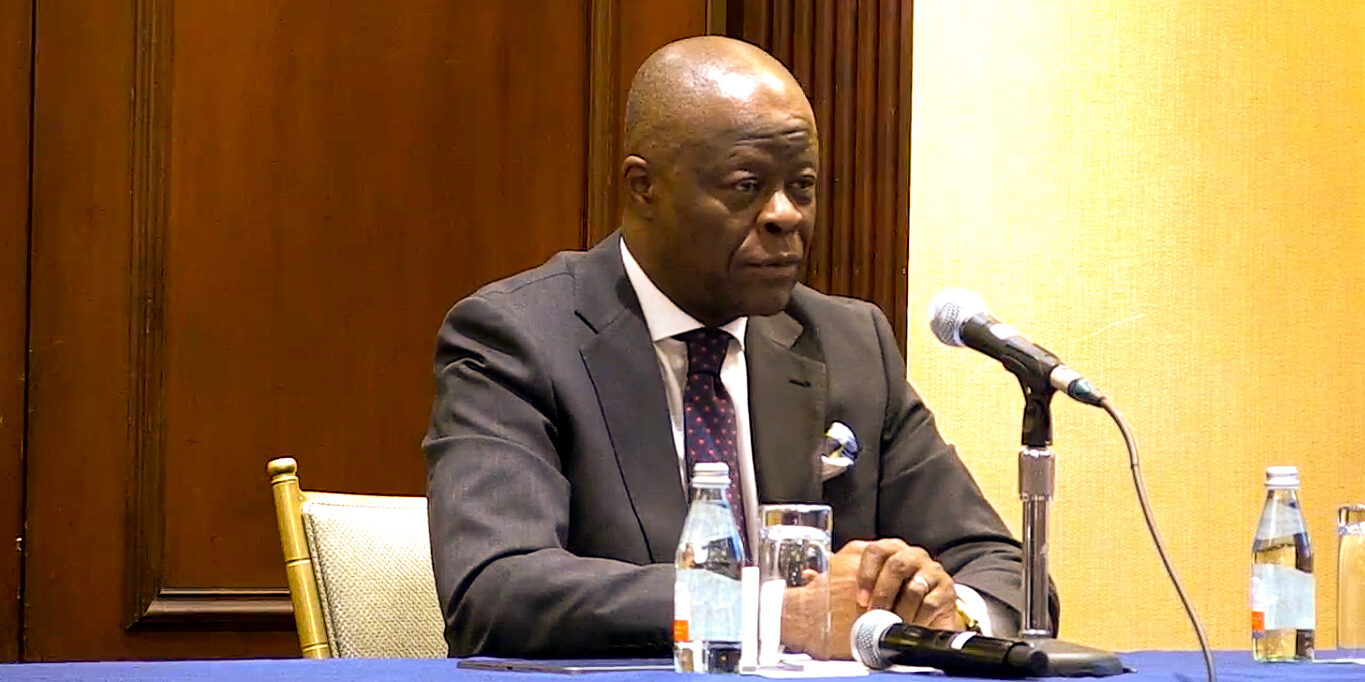
Barbara Bako, Abuja.
The Minister of Finance and Coordinating Minister of the Economy, Wale Edun, on Tuesday signed the Presumptive Tax Regulations, declaring that the Federal Government has moved from legislation to structured implementation of its sweeping tax reforms.
Speaking at the signing ceremony in Abuja, Edun said the regulations mark Nigeria’s transition “from legislation to structured implementation” of the tax reform laws passed in 2025 and early 2026.
“The key message of today’s event is anchored on transparency, fairness, clarity, indeed, equity, and economic inclusion for Nigerians,” he said.
Edun explained that the regulations provide a “simple and transparent framework” for applying the presumptive tax and were issued pursuant to powers vested in his office under the new tax laws, based on the advice of the Joint Revenue Board.
He said the goal is to ensure consistency, prevent arbitrary assessments, and protect small businesses while sustaining economic growth.
“Our aim is to ensure consistency, prevent arbitrary assessments… and to protect small businesses while ensuring the continuous growth of the Nigerian economy,” he said, noting that GDP growth in the last quarter of 2025 exceeded four per cent.
Edun added that the government is targeting a short-term growth rate of seven per cent as part of efforts to achieve President Bola Ahmed Tinubu’s vision of building a $1 trillion economy by 2030.
According to him, the framework is designed to formalise small and micro businesses, bringing them from the informal sector into structured economic participation, while expanding the tax base without increasing tax rates.
“We’ll expand the tax base, not raising taxes, but expanding so that each bears his rightful contribution to the common cause,” he said.
The minister also assured that implementation would be carefully monitored to ensure fairness, noting the existence of a tax ombudsman to oversee compliance.
Providing an overview of the guidelines, the Executive Secretary of the Joint Revenue Board, Mr. Olusegun Adesokan, said the regulations demonstrate the administration’s commitment to “taxing prosperity and not poverty.”
He stated that nano and small businesses with an annual turnover of N12 million and below are exempted from tax under the framework, allowing struggling entrepreneurs to retain more disposable capital to grow their operations.
“What this means is our struggling people… will have more disposable capital to grow their businesses and eventually move into the tax net,” he said.
Adesokan added that a one per cent tax on turnover would apply to other categories of informal businesses.
The regulations also mandate technology driven tax payments, ban cash collection by tax authorities, and prohibit the mounting of roadblocks for tax enforcement.
He noted that the guidelines provide a uniform framework for subnational governments in taxing the informal commerce sector and will help eliminate fragmentation in tax administration across the federation.
Read also:CCC, YADI push ranching reform as solution to farmer–herder crisis
In his closing remarks, Chairman of the National Tax Policy Implementation Committee, Mr. Joseph Tegbe, described the signing as a “significant milestone in Nigeria’s tax reform journey.”
“With the signing of the presumptive tax guidelines, we have moved from legal provisions to operational reality,” he said.
Tegbe emphasized that the reform is not about imposing new burdens but restoring order and replacing arbitrariness with transparency, particularly in the informal sector, which he described as the backbone of Nigeria’s economy.
“The informal sector… remains the backbone of our economy, employing more than 80% of the workforce and sustaining daily commercial activities nationwide,” he said.
He commended the Nigerian Revenue Service and the Joint Revenue Board for securing alignment from all 36 states and pledged continued collaboration to ensure disciplined rollout and safeguards against arbitrary assessments.
“Sustainable development requires sustainable revenue, and no modern economy can thrive on a narrow tax base,” Tegbe said.
With the signing, officials said Nigeria has formally shifted from tax reform legislation to full scale implementation, with a focus on fairness, inclusion, and sustainable economic growth.

 Abubakar Siddiq Ibn Usman