 admin
admin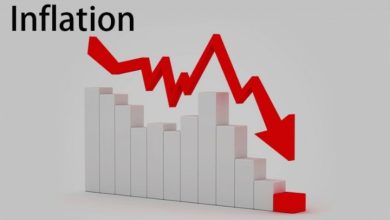
Nigeria’s inflation rate declined for the second consecutive month, dropping to 22.97% in May 2025 from 23.71% in April, according to the latest Consumer Price Index (CPI) report from the National Bureau of Statistics (NBS).
While still elevated, the 0.74 percentage point decline signals a potential easing of price pressures, offering cautious optimism for businesses grappling with high operating costs.
Analysts observed that slowing price surge will ease cost pressures as Month-on-month inflation fell to 1.53% in May from 1.86% in April, indicating that while prices are still rising, the pace has moderated.
READ ALSO: Petrol station owners protest Dangote’s fuel distribution plan
Businesses, particularly in manufacturing and retail, may see some relief in input costs, though persistent food inflation remains a concern.
Food inflation still a major challenge despite a sharp year-on-year drop (40.66% in May 2024 to 21.14% in May 2025) as food inflation rose month-on-month to 2.19%, driven by increases in staples like yam, cassava, maize flour, and fresh pepper.
DAILY COMMERCE observed that food processors, restaurants, and FMCG companies will continue facing margin pressures due to volatile agricultural prices.
Core inflation decline signals broader Stability as Core inflation (excluding food and energy) fell to 22.28% year-on-year, down from 27.04% in May 2024. This suggests that non-food sectors, including services and manufacturing, may be experiencing slower cost escalations, potentially improving profitability.
Urban inflation (23.14%) remains higher than rural (22.70%), reflecting stronger demand and higher living costs in cities. Businesses targeting urban consumers may still face pricing resistance, while those in rural areas could benefit from slightly lower cost pressures.
The decline could reinforce expectations of a pause or gradual reduction in interest rates, currently at historic highs to combat inflation. Lower borrowing costs in the future could ease financing constraints for businesses.
While the May figures suggest early signs of stabilization, businesses should remain cautious. Food supply chain disruptions, forex volatility, and energy costs remain risks.
Nigeria’s inflation slowdown offers a glimmer of relief, but structural challenges persist. Businesses must stay agile in navigating an evolving economic landscape.


 Agency News
 Abubakar Siddiq Ibn Usman