
 Agency News
Swat Bako, Abuja.
The Federal Government has inaugurated a Technical Subcommittee on Fiscal Policy and Tax Reforms to review the implementation of Nigeria’s new tax laws and prepare proposals for the 2027 Finance Bill as part of efforts to strengthen the country’s fiscal framework.
Chairman of the Presidential Fiscal Policy and Tax Reforms Committee, Professor Taiwo Oyedele, said the committee would examine the implementation of the landmark tax reforms that came into effect on January 1, 2026, and recommend improvements where necessary.
Speaking at the inauguration in Abuja, Oyedele said the reforms represented the most comprehensive overhaul of Nigeria’s tax system in decades, but stressed that legislation alone does not guarantee successful reform.
He said the Finance Bill 2027 would focus on preserving the core principles of the 2025 tax reforms while addressing ambiguities, unintended consequences and compliance challenges identified during implementation.
“The real test begins when the law meets the economy, as businesses interpret it, administrators implement it, investors respond to it, and citizens experience it,” he said.
Oyedele explained that the subcommittee’s work would extend beyond taxation to cover fiscal policy, public financial management, debt management, transparency, capital markets and cross-border capital flows.
He urged members to evaluate proposals based on evidence and national interest, noting that every recommendation should be assessed for its economic impact, fairness and long-term sustainability.
According to him, the government remains committed to a tax system that encourages investment, productivity and formalisation by simplifying compliance and reducing unnecessary burdens on businesses.
The committee is also expected to review the Deduction of Tax at Source Regulations 2024 and develop revised Withholding Tax Regulations in line with the new tax laws.
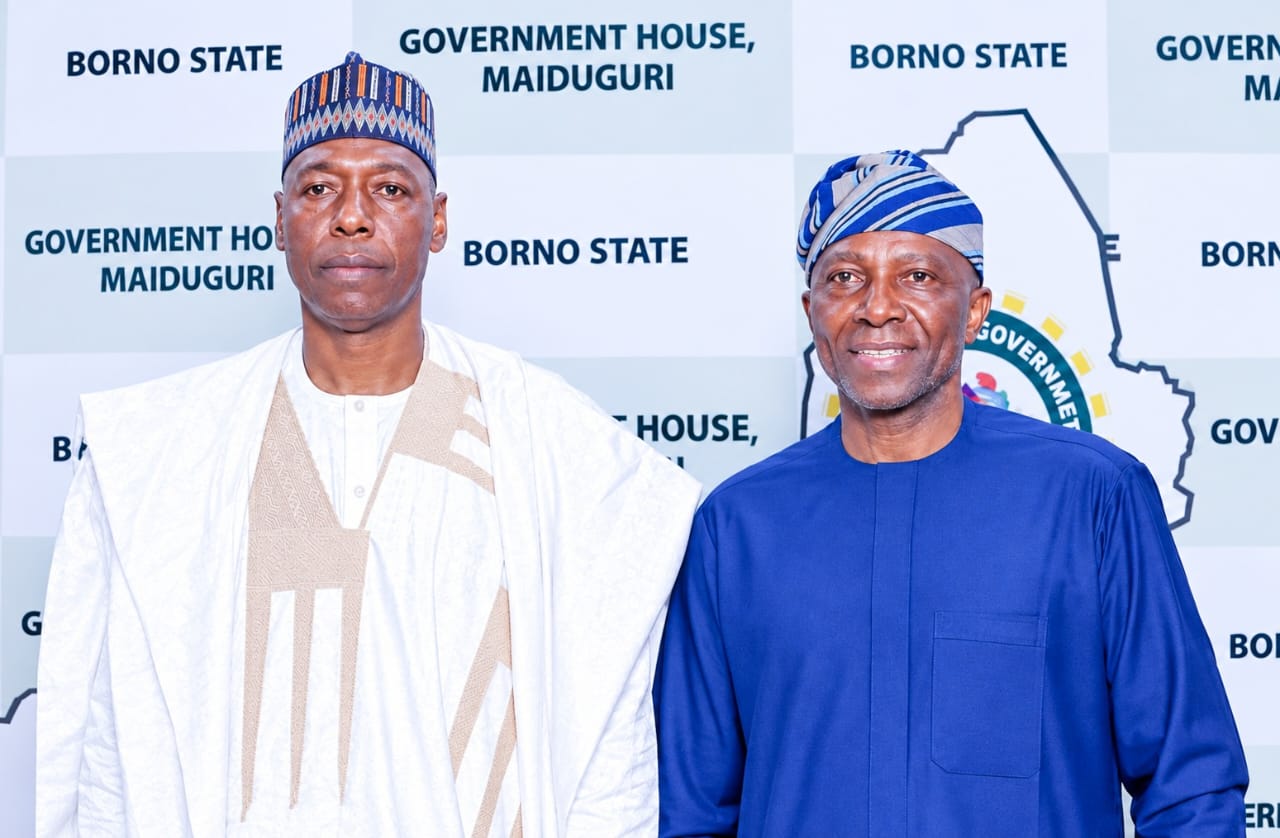
Read also:Zulum pledges office, land for Tax Ombud’s North-East headquarters
It will further review the Companies Income Tax (Significant Economic Presence) Order 2020 to align Nigeria’s taxation of digital and cross-border businesses with international best practices.
Oyedele disclosed that the public call for inputs attracted 134 submissions from stakeholders across the country’s six geopolitical zones.
He said the submissions highlighted the need to simplify VAT thresholds, improve withholding tax administration, reduce multiple taxation, strengthen taxpayer rights, accelerate tax refunds and expand digitalisation across revenue agencies.
The subcommittee has been given six weeks to complete its assignment and submit its report to the Minister of Finance and Coordinating Minister of the Economy.
Oyedele urged members to maintain confidentiality throughout the exercise, disclose any conflicts of interest and work collaboratively to deliver reforms that enhance economic competitiveness and improve the efficiency of Nigeria’s tax system.

 Abubakar Siddiq Ibn Usman