
 Agency News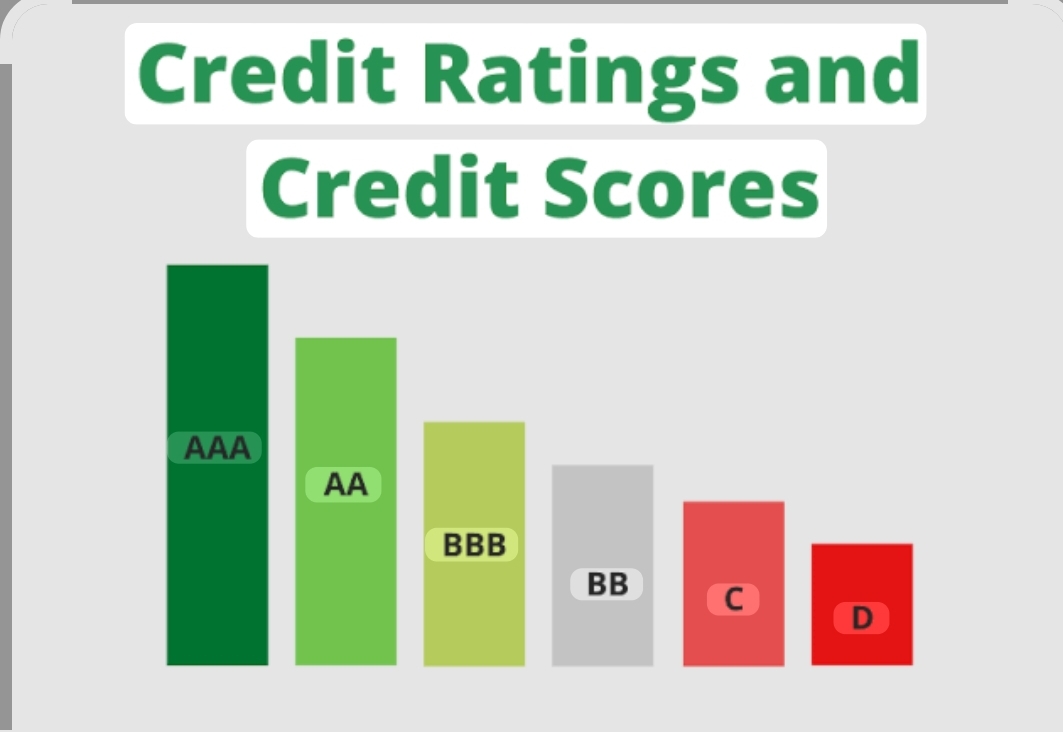
DataPro outlines key drivers of sovereign credit ratings
Barbara Bako, Abuja
DataPro Limited, a credit rating agency, has highlighted the critical factors that shape sovereign credit ratings, noting that a country’s ability to meet its debt obligations depends on a mix of economic strength, fiscal discipline, and policy credibility.
In its report titled “Unlocking Sovereign Rating Factors,” the agency explained that sovereign ratings, though often expressed as simple letter grades, are derived from a comprehensive assessment of a government’s resilience under both normal and stressed conditions.
At the core of the assessment, DataPro Limited said, is the structure of the economy, noting that diversified economies tend to generate more stable revenues and are better able to absorb shocks, while commodity-dependent economies remain vulnerable to external.
This has clear implications for Nigeria, where oil revenue continues to play a dominant role in public finance, leaving fiscal performance exposed to global price swings.
On fiscal strength, DataPro noted that debt levels alone are insufficient in evaluating creditworthiness. Instead, it emphasised debt servicing capacity, warning that when a large share of government revenue is committed to interest payments, fiscal flexibility is significantly weakened.
The agency’s position aligns with ongoing concerns over Nigeria’s rising debt service-to-revenue ratio, which has constrained government spending in critical sectors.
DataPro also underscored the importance of a country’s external position, including foreign exchange earnings, reserve buffers, and the structure of external debt.
High exposure to foreign currency borrowing, it said, increases vulnerability to exchange rate movements, particularly during periods of currency depreciation.
Beyond economic metrics, the report stressed that policy credibility and institutional strength are key determinants of investor confidence.
Consistent and transparent policy implementation, especially in areas such as inflation management and exchange rate stability was identified as essential for maintaining macroeconomic stability.
“Where policies are unpredictable or frequently reversed, uncertainty increases,” the report noted.
The agency further observed that political and social factors can influence the pace and effectiveness of reforms, as governments often balance economic priorities with public expectations.
It also warned of contingent risks, including liabilities from state-owned enterprises and potential shocks from global economic tightening or commodity price fluctuations.
According to DataPro, access to funding at sustainable costs remains a crucial indicator of credit strength.
Rising borrowing costs or limited market access, it said, can intensify fiscal pressures and weaken a country’s financial position.
Overall, the report concluded that sovereign credit ratings are determined by the interaction of economic structure, fiscal performance, external resilience, and institutional quality.
For Nigeria, the agency’s analysis reinforces the need for sustained reforms, improved revenue mobilisation, and economic diversification to strengthen its sovereign credit outlook.





 Abubakar Siddiq Ibn Usman