 Agency News
The Federal Government has commenced implementation of Executive Order 9 of 2026, with a directive stopping key deductions by the NNPC Limited and suspending certain petroleum revenue remittances, in a move aimed at safeguarding Federation revenues and strengthening fiscal stability.
At its inaugural meeting the Implementation Committee for Executive Order 9 set up by President Bola Ahmed Tinubu reaffirmed the President’s directive that revenues from petroleum operations must be managed in line with constitutional principles and in a manner that protects funds accruable to the Federation.
Under the new directive, NNPC Limited will cease, with immediate effect, the collection of the 30 per cent management fee and the 30 per cent frontier exploration fund deductions from profit oil and profit gas under Production Sharing Contracts (PSCs).
In addition, all remittances of gas flare penalties into the Midstream and Downstream Gas Infrastructure Fund (MDGIF) have been suspended with immediate effect, in line with the Executive Order.
The Committee also addressed Section 2, Sub-section 3 of the Executive Order, which provides for direct payments by contractors into the Federation Account.
It agreed that the transition to direct remittance of profit oil, royalty oil and tax oil must respect existing contractual and financing arrangements to maintain investor confidence.
Read also:Nigeria’s GDP grows by 4.07% in Q4 2025 — NBS
Consequently, the Committee approved a defined transition period for the operationalisation of direct payments by contractors into the Federation Account.
Until detailed guidelines are issued, contractors will continue to remit revenues under the current process.
The Committee said clear and standardised guidance would be developed during the transition to ensure an orderly changeover.
To drive the process, the Committee approved the establishment of a Technical Subcommittee tasked with developing detailed transition guidelines within three weeks and commencing a review of the Petroleum Industry Act to address structural and fiscal anomalies affecting Federation revenues.
The Technical Subcommittee will be led by the Special Adviser to the President on Energy and will include the Solicitor General of the Federation and Permanent Secretary, Federal Ministry of Justice; the Chairman of the Nigeria Revenue Service; the Chairman of the Forum of Commissioners of Finance; representatives of the Minister of State for Petroleum Resources (Oil); with secretarial support from the Budget Office of the Federation.
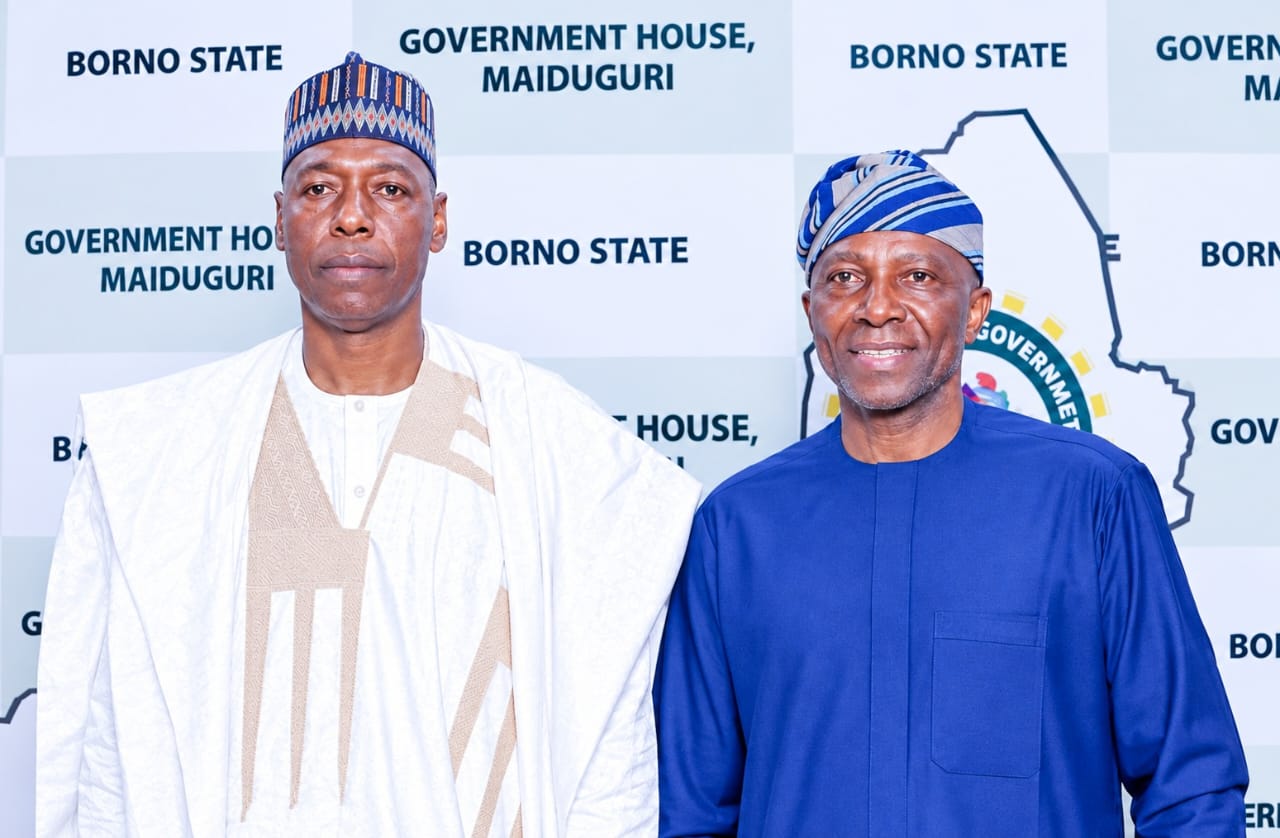
Chairman of the Implementation Committee and Minister of Finance and Coordinating Minister of the Economy, Mr. Wale Edun, said the Committee would continue to provide coordinated guidance and timely updates as implementation progresses.
He commended stakeholders for their cooperation, noting that the reforms are designed to ensure Nigeria’s petroleum resources deliver measurable benefits to citizens across the Federation and strengthen fiscal stability at the federal, state and local government levels.


 Abubakar Siddiq Ibn Usman