 Agency News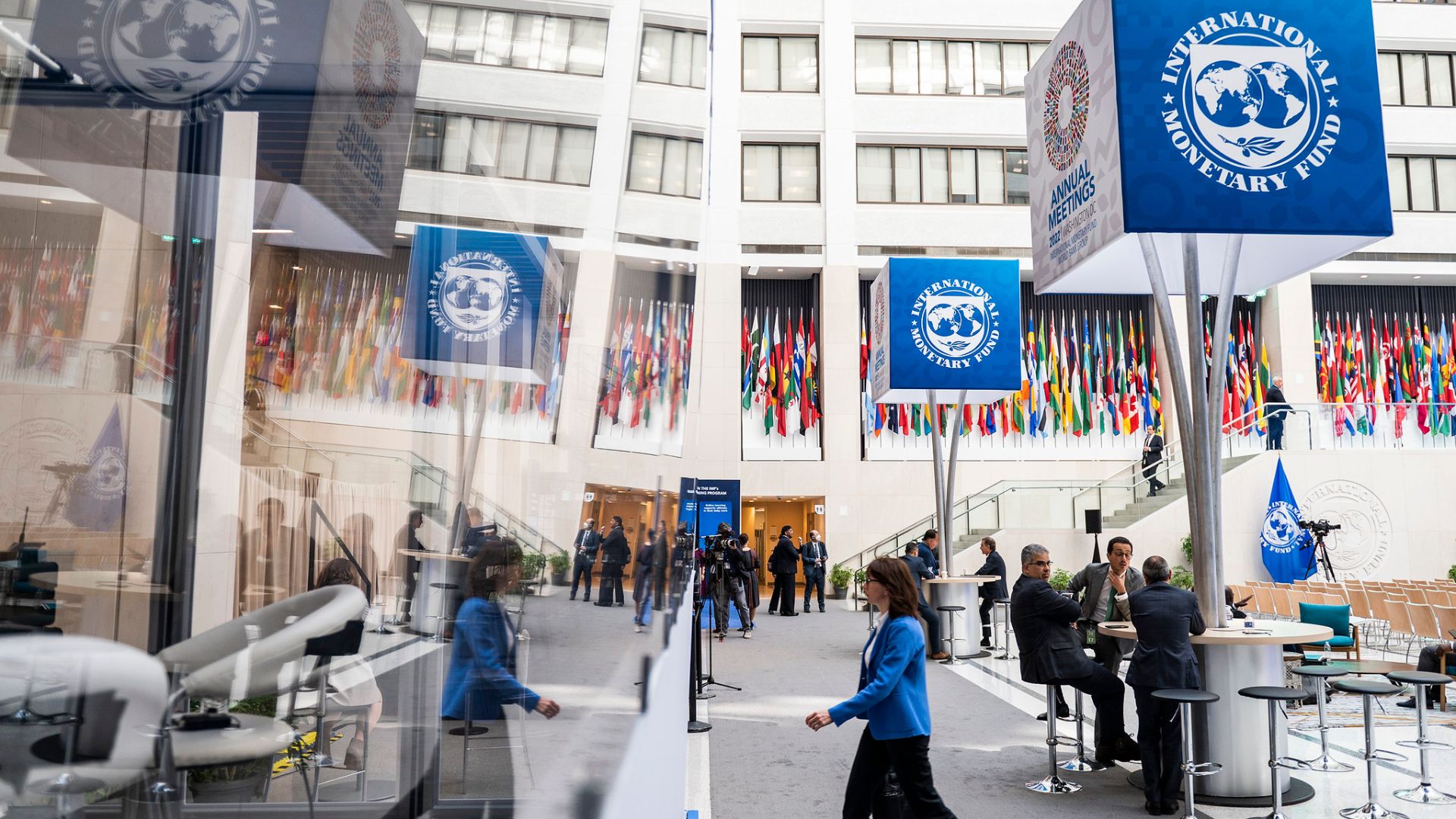
Barbara Bako, Abuja.
The International Energy Agency (IEA), International Monetary Fund (IMF) and World Bank Group have warned that the ongoing war in the Middle East is causing major disruptions to global energy supply chains, with widening risks to inflation, food security, jobs and economic growth.
In a joint statement issued on Monday after a coordination meeting in Washington, DC, the institutions said the crisis is having “substantial, global and highly asymmetric” effects, noting that energy-importing countries, especially low-income economies are the most affected.
They said the shock has driven up oil, gas and fertiliser prices, raising concerns about food insecurity and job losses, while also hitting some energy-producing countries through sharp declines in export revenues.
The institutions warned that uncertainty remains high as shipping through the Strait of Hormuz has yet to fully normalise, with global supply chains still under strain.
Read also:Insurance premiums hit N2.3tn as sector gains momentum
“The situation remains very uncertain,” the statement said, adding that even after shipping stabilises, it would take time for global supplies of key commodities to recover due to infrastructure damage.
They noted that fuel and fertiliser prices could remain elevated for a prolonged period.
They further cautioned that supply disruptions are already affecting multiple sectors, including agriculture, energy and manufacturing, with knock-on effects on travel, tourism and employment across several economies.
Ahead of the release of major outlook reports from both the IMF and IEA, the institutions said they had shared updated assessments of the global impact and discussed country-specific vulnerabilities.
They said they are strengthening coordination to support affected economies through policy advice and financial assistance where needed, particularly for the most vulnerable countries.
“We will continue to monitor closely and assess the impact of the war on energy markets, the global economy and individual countries,” the institutions said, adding that they remain committed to coordinated action aimed at stabilising markets and supporting recovery.

 Abubakar Siddiq Ibn Usman