 Abubakar Siddiq Ibn Usman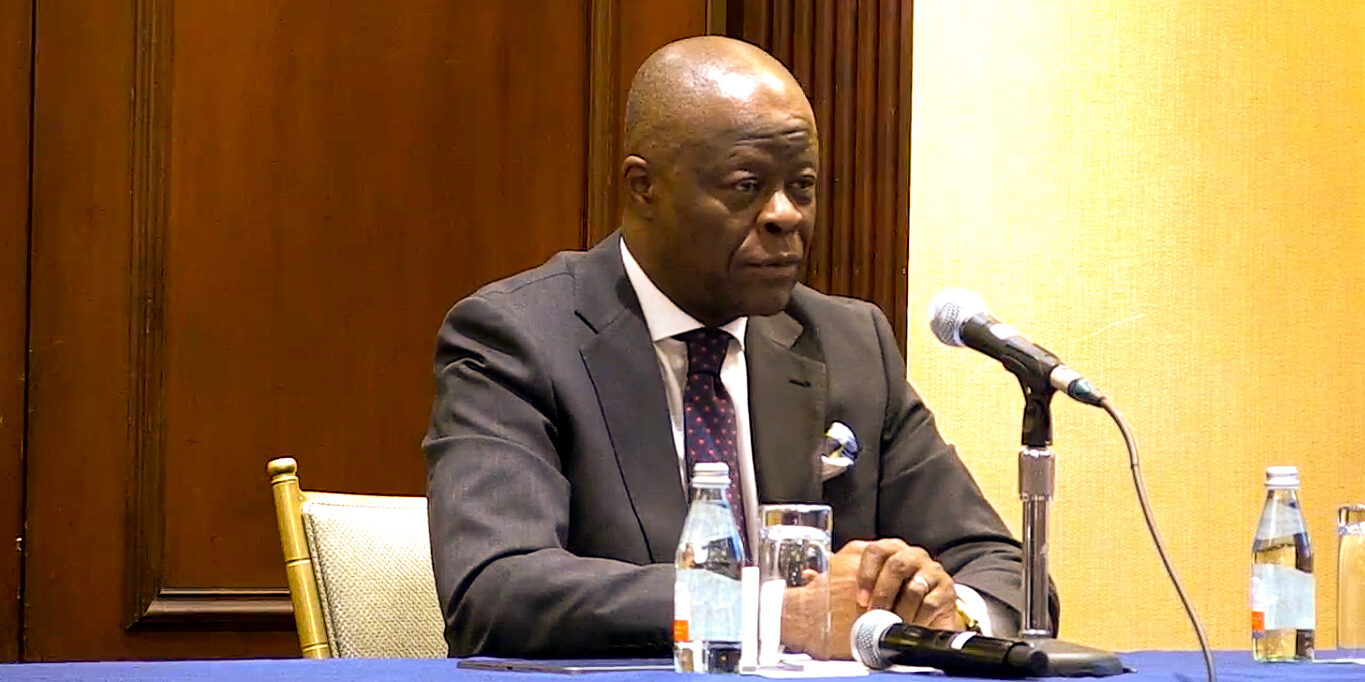
Barbara Bako, Abuja.
Nigeria’s Minister of Finance and Coordinating Minister of the Economy, Wale Edun, has assured citizens that the newly signed Nigeria Tax Administration Act will not impose fresh taxes in 2026, stressing that the much-debated 5% fuel surcharge is not new and has no immediate plan for implementation.
Speaking at an economic forum, Edun explained that the surcharge was first introduced under the Federal Road Maintenance Agency (FERMA) Act of 2007 to fund road upkeep, and was only restated in the 2025 Act for harmonization and transparency.
“The inclusion of the surcharge in the 2025 Nigeria Tax Administration Act does not mean an automatic introduction of new tax. It doesn’t mean fresh taxation,” Edun said.
The Minister emphasized that the Act, signed into law by President Bola Tinubu in June, will only take effect from January 1, 2026.
He further clarified that any surcharge would still require a commencement order from the Ministry of Finance, duly published in a gazette.
“As of today, no order has been issued. None is being prepared. And there is no immediate plan to implement any surcharge,” he added.
Edun described the reform as Nigeria’s most comprehensive in decades, consolidating multiple tax laws into a single framework to simplify compliance, remove overlapping charges, and improve ease of doing business.
Read also:NAICOM, NESG partner to boost Insurance sector reforms
According to him, the government’s priority is to strengthen tax governance, plug revenue leakages, and improve efficiency rather than burden citizens with new levies.
“We are fully aware of the economic pressures of the time and will not take decisions that will worsen the burden on Nigerians,” the Minister assured.
He noted that implementing the reforms will require broad sensitization, institutional realignment, and capacity building to ensure smooth compliance.
Edun concluded by reaffirming the government’s economic vision of inclusive growth, job creation, and private sector-led investment, adding that international partners and rating agencies have already acknowledged signs of improved macroeconomic stability and investor confidence in Nigeria.

 Agency News