 Abubakar Siddiq Ibn Usman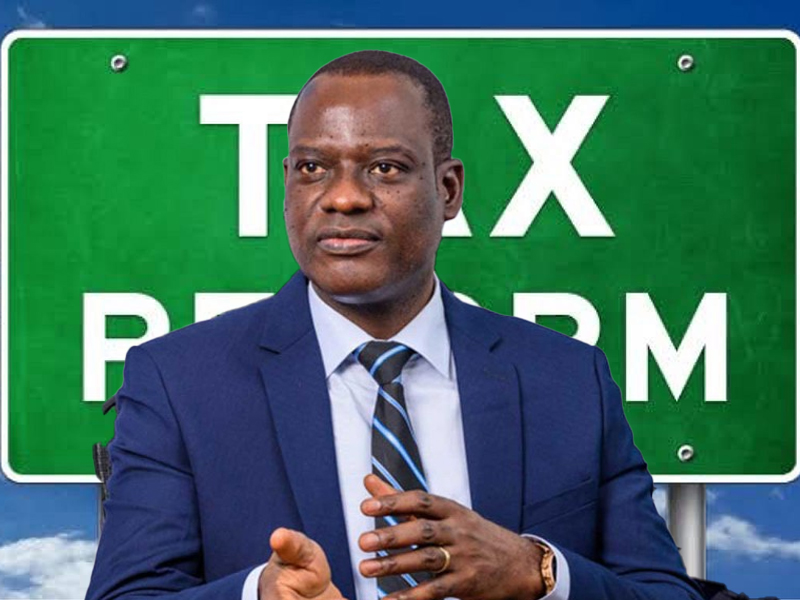
The Federal Government has clarified that the controversial 5 percent surcharge on fossil fuel products is not a new tax, nor is it slated for immediate enforcement, but rather a long-standing provision aimed at ensuring sustainable financing for Nigeria’s road infrastructure.
Reacting to public outcry, Chairman of the Presidential Committee on Fiscal Policy and Tax Reforms, Taiwo Oyedele, explained in a statement that the surcharge has been part of Nigerian law since the Federal Roads Maintenance Agency (FERMA) Amendment Act of 2007.
Its inclusion in the recently passed Nigeria Tax Act, 2025, he said, was done to harmonise scattered tax provisions, provide transparency, and create a clear legal framework for when the measure eventually becomes operational.
Oyedele stressed that implementation would not be automatic. Instead, it would require an order from the Minister of Finance published in the official gazette, which would allow the government to carefully assess timing and economic conditions before enforcement.
“This safeguard ensures that Nigerians are not caught by surprise and that the surcharge is only activated when conditions permit,” he said.
The surcharge, according to him, is designed to create a dedicated fund for building and maintaining roads, a sector that has suffered decades of underinvestment and inconsistent financing.
He noted that Nigeria’s current reliance on savings from petrol subsidy removal and general revenue allocations cannot meet the country’s enormous and recurring infrastructure needs, especially with competing fiscal obligations.
“Roads are critical to economic growth, but they have been grossly underfunded. The surcharge is about predictability and sustainability in financing, not about overburdening citizens,” Oyedele said.
Read also:Russia unleashes largest-ever barrage, striking Ukraine’s cabinet building
The reform chief further emphasised that the policy is in line with global practice, pointing out that more than 150 countries already impose fuel-related charges, often ranging between 20 and 80 percent to secure road funding, improve transport safety, and reduce travel costs over time.
Addressing concerns over the government’s pledge to reduce the tax burden, Oyedele highlighted that several levies had already been scrapped or suspended, including Value Added Tax (VAT) on fuel, excise duty on telecommunications services, and the controversial cybersecurity levy.
He said this reflects the administration’s commitment to simplifying the tax system and cutting duplication, while focusing only on measures that provide long-term value.
He also clarified a technical detail in the law that defines the point of taxation, stating that a fossil fuel product only becomes chargeable at the earliest occurrence of supply, sale, or payment, further underscoring that enforcement would be structured and transparent.
This surcharge is not new, not immediate, and selectively applied.
Its restatement is about transparency, preparedness, and sustainable funding for roads and other critical infrastructure, not about sudden implementation,” Oyedele said.

 Agency News