 Abubakar Siddiq Ibn Usman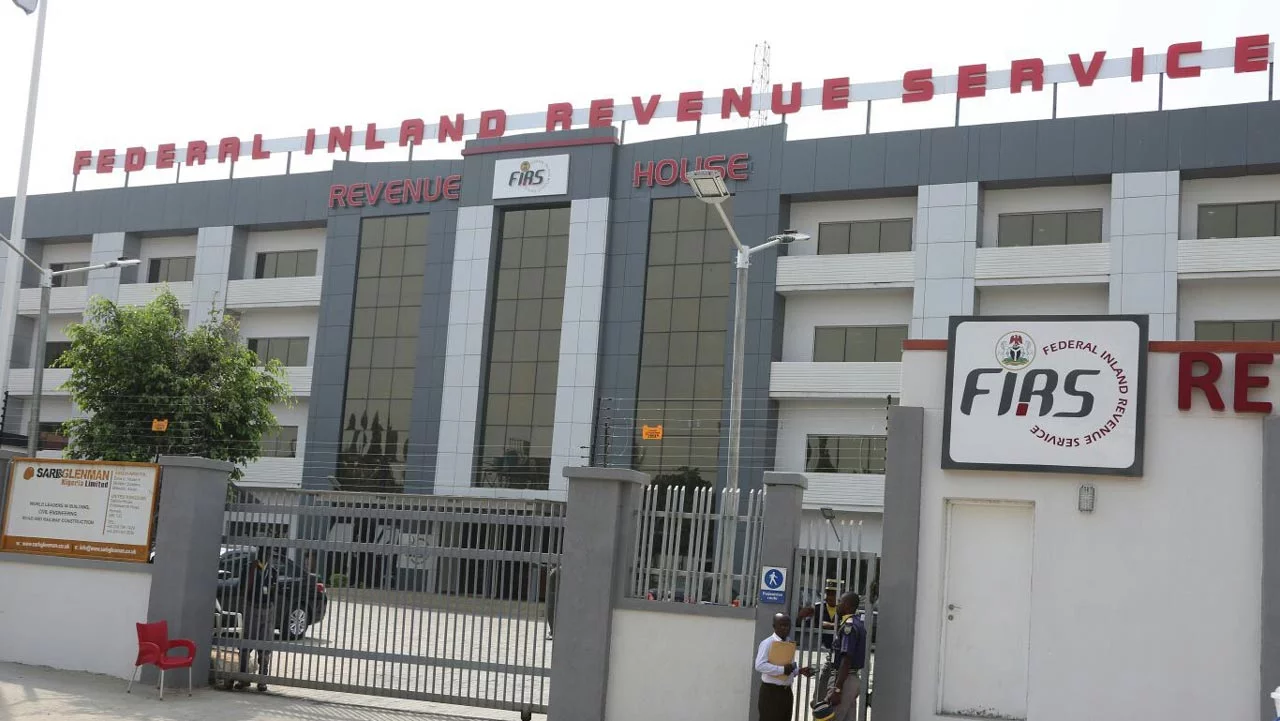
Barbara Bako, Abuja.
The Federal Inland Revenue Service (FIRS) has renewed its call for a coordinated African strategy to combat Illicit Financial Flows (IFFs), describing them as a major threat to the continent’s economic stability and development goals.
At the opening of the FIRS Annual Conference on Illicit Financial Flows, the Director of Tax Policy and Advisory at FIRS, Aderonke Atoyebi, said Africa must take bold steps to plug the fiscal drain caused by IFFs, which deprive countries like Nigeria of crucial revenue.
Atoyebi said in her welcome address, “We are losing development capital to shadowy transactions that thrive on secrecy and weak enforcement. As tax administrators, we cannot sit idly by. This conference is about moving from talk to action.”
She noted that IFFs cost Africa an estimated $88.6 billion annually, with Nigeria among the top victims due to tax evasion, trade mispricing, and profit shifting by multinational companies.
According to Atoyebi, the FIRS is stepping up domestic tax reforms, while also advocating stronger global cooperation on tax transparency.
Delivering the keynote address, Hon. Irene Ovonji-Odida, a Member of the Thabo Mbeki-led High Level Panel on IFFs from Africa, called IFFs a systemic injustice that continues to drain Africa’s resources with impunity.
Ovonji-Odida said, “Illicit financial flows are not just an economic crime — they are a development crisis. We must hold multinational corporations and complicit facilitators accountable. The silence around IFFs is no longer acceptable.”
Read also:Revenue leakages persist despite tech tools, FIRS boss warns
She commended Nigeria for hosting the conference and called on other African countries to intensify audits, tighten beneficial ownership disclosures, and reform tax treaties that favour capital flight over domestic interests.
Ovonji-Odida emphasized the urgency for Africa to shape the emerging global tax rules being discussed at the United Nations, especially as developing countries demand a fairer deal in global finance governance.
“The continent must speak with one voice, or risk being further sidelined,” she warned.
The two-day conference brings together tax administrators, policy experts, academics, civil society, and international partners to deliberate on how African nations can curb IFFs through better tax policy, enforcement, and inter-agency cooperation.
As Africa seeks to meet its Agenda 2063 goals, stakeholders at the conference agreed that tackling IFFs is no longer optional, it is essential for the continent’s financial independence and sustainable development.

 Agency News