
 admin
admin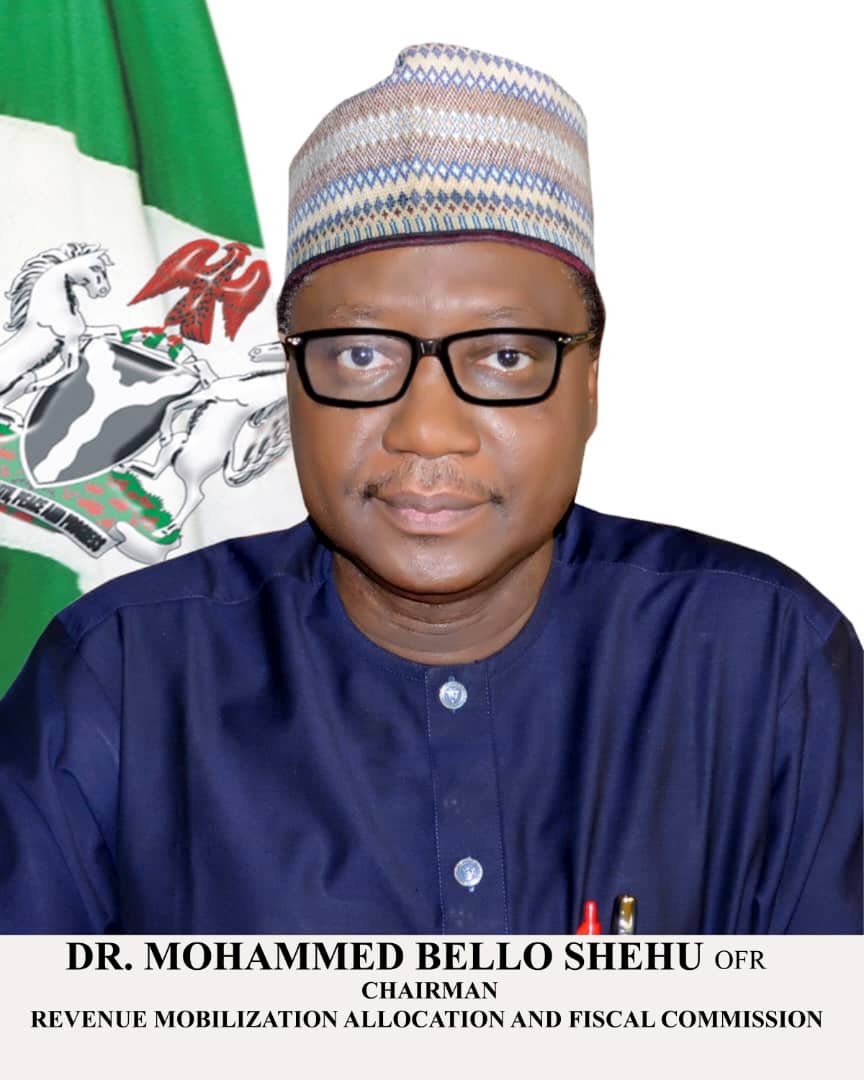
Barbara Bako, Abuja
The Revenue Mobilisation Allocation and Fiscal Commission (RMAFC) has applauded President Bola Ahmed Tinubu, GCFR, for signing into law the recently passed tax reform bills and the amended RMAFC bill, describing the move as a bold and transformative step toward overhauling Nigeria’s fiscal architecture….
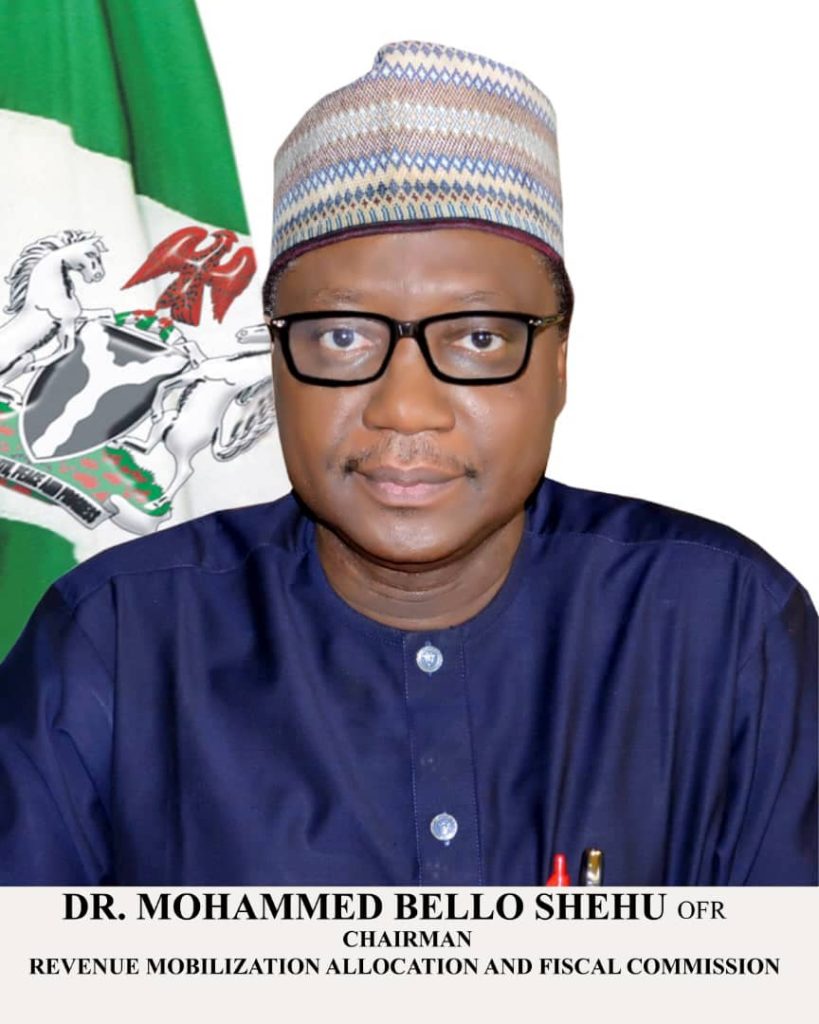
In a statement issued on Monday, RMAFC Chairman, Dr. Muhammed Bello Shehu, praised the President for his visionary leadership and unwavering commitment to strengthening the country’s revenue system and fostering long-term economic growth.
“These reforms mark a significant milestone in our nation’s journey towards a more transparent, accountable, and efficient revenue mobilisation framework,” the statement said.
It said, “They will not only enhance compliance and broaden the tax base but also reduce over-reliance on oil revenue and promote inclusive growth across sectors.”
Read also:FCT seeks RMAFC support to obtain Infrastructure development fund
RMAFC reaffirmed its full support for the administration’s reform agenda and pledged to work closely with relevant stakeholders to ensure smooth implementation of the new tax laws.
The Commission also acknowledged the contributions of the National Assembly, particularly Senate President Godswill Akpabio and Speaker of the House of Representatives, Rt Hon. Tajudeen Abbas, for their roles in the passage of the legislation.
“We are equally grateful to the Attorney General of the Federation, Chief Lateef Olasunkanmi Fagbemi, SAN, and all those who played a part in delivering this long-awaited reform,” the statement noted.
According to Dr. Shehu, the newly signed laws are expected to provide much-needed relief to low-income earners who have long borne the burden of taxation despite limited means.
“President Tinubu has once again shown that he is attuned to the realities faced by ordinary Nigerians and is determined to build a fiscal system that works for all,” the Commission stated.
The passage and signing of the RMAFC bill alongside the broader tax reform measures are expected to deepen fiscal federalism and ensure a more equitable allocation of national resources.


 Agency News
 Abubakar Siddiq Ibn Usman