
 Abubakar Siddiq Ibn Usman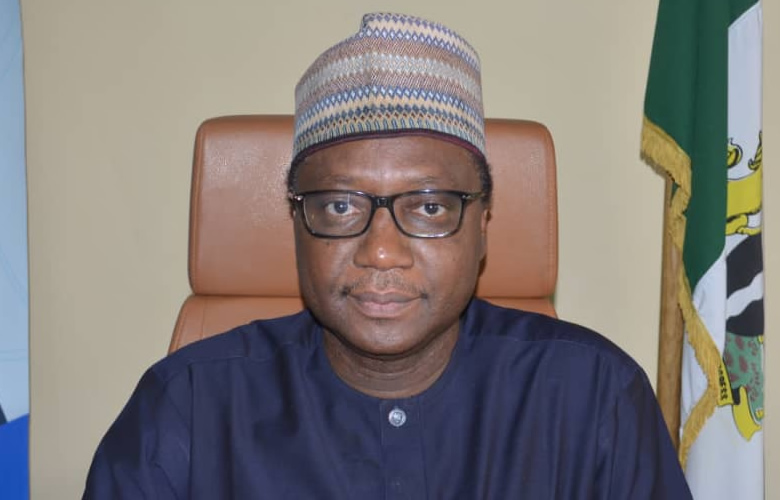
…Experts Push for Infrastructure Safeguards, Accountability
Barbara Bako, Abuja.
The Revenue Mobilisation Allocation and Fiscal Commission (RMAFC) has opened a fresh review of Nigeria’s revenue allocation formula, more than three decades after the last exercise, with stakeholders insisting that new measures must prioritize infrastructure and strengthen accountability at the sub-national level.
At a press conference in Abuja on Monday, RMAFC Chairman, Dr. Mohammed Bello Shehu, said the review had become unavoidable given the demographic, economic and constitutional changes that had redefined the responsibilities of the three tiers of government since 1992.
He explained that the exercise aims to deliver a framework that is “fair, just and equitable,” while ensuring that states and local governments can meet their service delivery obligations in a sustainable manner.
“This review will be inclusive, data-driven and transparent. It will involve consultations with the Presidency, National Assembly, governors, local government councils, civil society, the private sector and development partners,” he said.
Shehu also noted that with the recent financial autonomy granted to the Commission under a new law, RMAFC now has greater independence to carry out its constitutional role. He assured that the review would be completed before the end of 2025.
Contributing to the discussion, Professor Uche Uwaleke, a financial economist, advocated for the ring-fencing of additional funds that may accrue to states from the new formula.
Read also:Akpabio returns from London, dismisses ill health report
He argued that directing allocations to specific areas such as electricity, railways, health and education would prevent states from diverting them to recurrent spending.
“It is important that the extra money going to states is not treated as discretionary funds. They should be tied to infrastructure so citizens can see real development,” he said, adding that Nigeria’s allocation indices should be benchmarked against other federations like Canada, Brazil and India.
Also speaking, Professor Jibo Ibrahim of the Centre for Democracy and Development described the review as a defining step toward rebuilding Nigeria’s federalism.
He traced the dominance of the federal government in fiscal relations to years of military rule and reliance on oil rents, stressing that a new framework must reflect current realities.
He cautioned, however, that without stronger oversight mechanisms, increased allocations would not translate into improved governance at the state level.
“The deeper issue is accountability. Nobody is comfortable with giving more money to state governments without ensuring it will be used for development. Any new formula must go hand-in-hand with improved accountability,” he warned.
The Commission is expected to consult widely before submitting its final proposal to the President, who will then transmit it to the National Assembly for approval.


 admin
admin
 Rabiu M. Hamza
 Agency News