
 Abubakar Siddiq Ibn Usman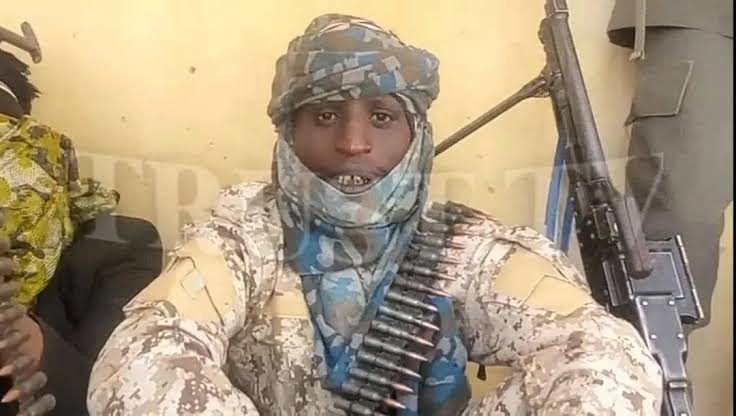
In a surprising turn of events, notorious Zamfara terror kingpin, Bello Turji, has taken steps toward peace by releasing 32 kidnapped victims and surrendering part of his weapons stockpile after series of discreet peace dialogues led by Islamic clerics deep inside the Fakai forest in Shinkafi Local Government Area.
One of the clerics involved, Musa Yusuf, popularly known as Asadus-Sunnah, revealed the details during a religious gathering in Kaduna on Monday.
He explained that the mission was initiated by residents of Shinkafi who sought clerical intervention to regain access to their farmlands, which lie within areas controlled by Turji’s fighters.
Yusuf said his team met Turji and four other terror actors which are Dan Bakkolo, Black, Kanawa, and Malam Ila on three occasions in July. Dispelling rumours of Bakkolo’s death, Yusuf confirmed his involvement in the talks.
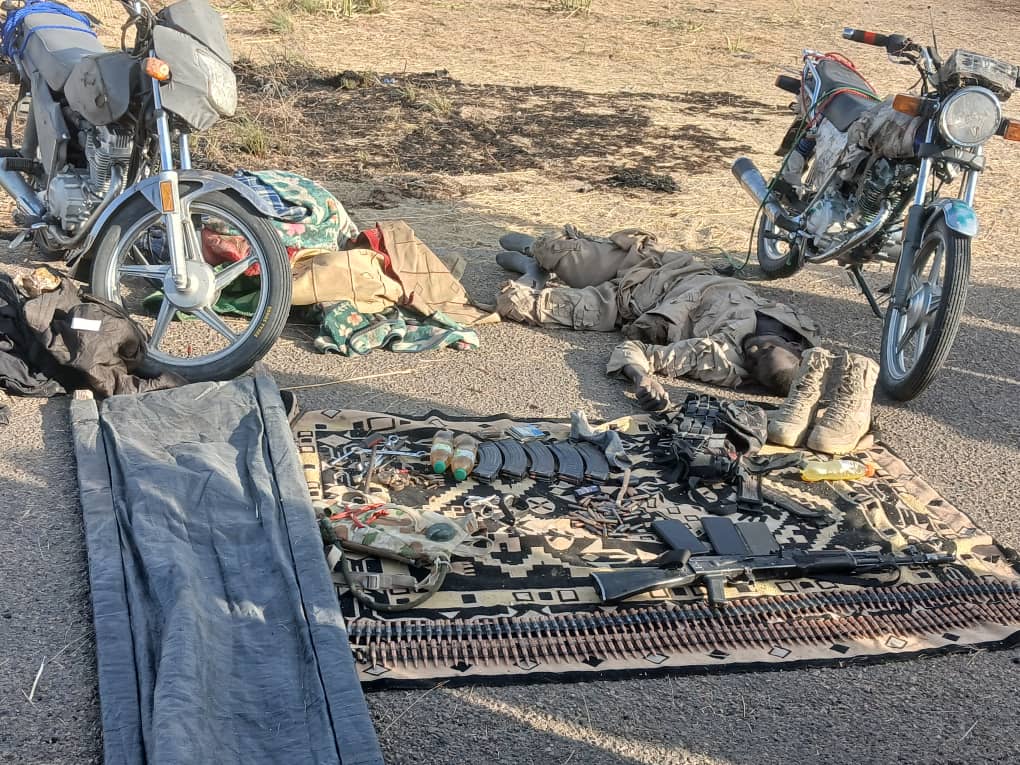
“All of them agreed to the peace terms, including partial disarmament as a sign of good faith,” he stated. “Weapons were surrendered in phases, and local farmers were granted safe access to farmlands beyond the river near Turji’s base.”
He added that a key part of the agreement involved protecting Fulani communities from reprisal attacks by vigilante groups.
Read also:Pantami urges Tinubu to honour Nafisa’s Global win like sports stars
As part of the deal, Turji released 32 hostages, including women and children, some of whom had spent four months in captivity. One of the women reportedly gave birth while in captivity, while another suffered a snakebite. A video was presented showing the difficult terrain the captives crossed to regain freedom.
Yusuf confirmed that since the dialogue, the Shinkafi axis has experienced relative calm, with locals returning to farms without fear of abduction.
He also clarified that while the clerics are still persuading Turji to fully commit to lasting peace, they intentionally avoided asking for full disarmament to prevent him from being exposed to attacks from rival armed groups.
In closing, Yusuf urged the federal and state governments to institutionalize grassroots peace-building efforts, stressing that non-military engagement with local actors, however controversial has brought tangible relief to communities in northern Zamfara.
He called for a structured support for cleric-led initiatives and long-term reconciliation efforts that prioritize local realities over blanket military solutions.

 admin
admin
 Rabiu M. Hamza
 Agency News