 Rabiu M. Hamza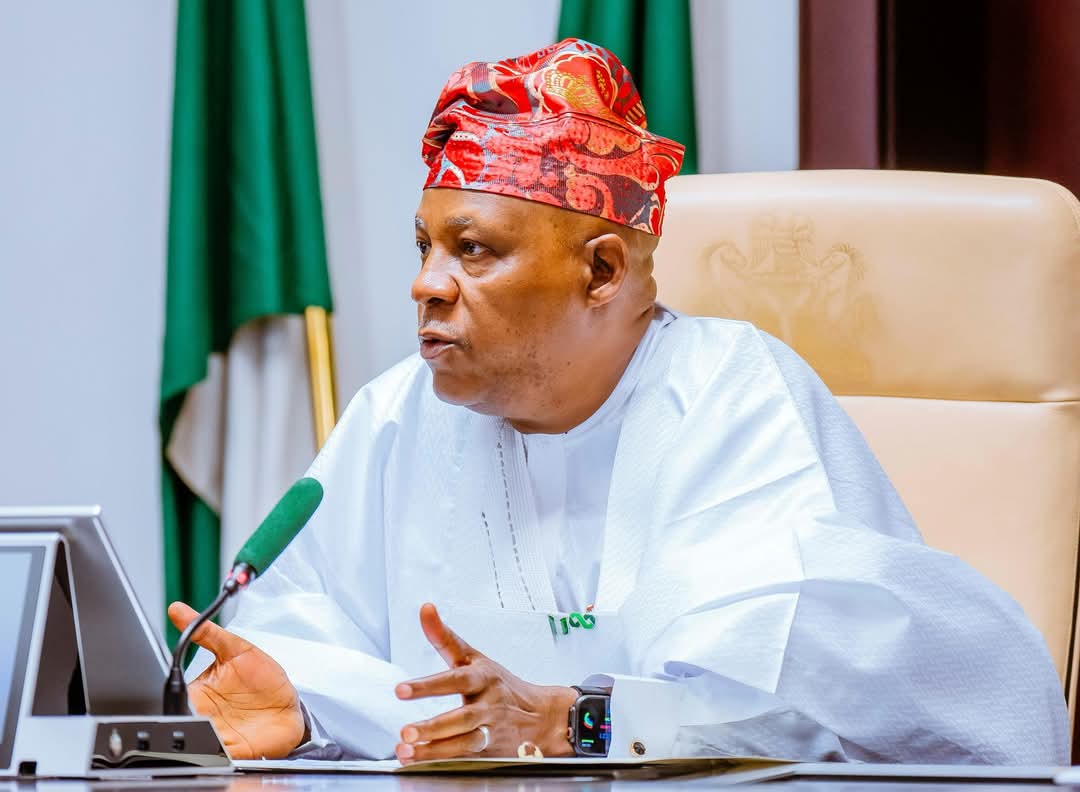
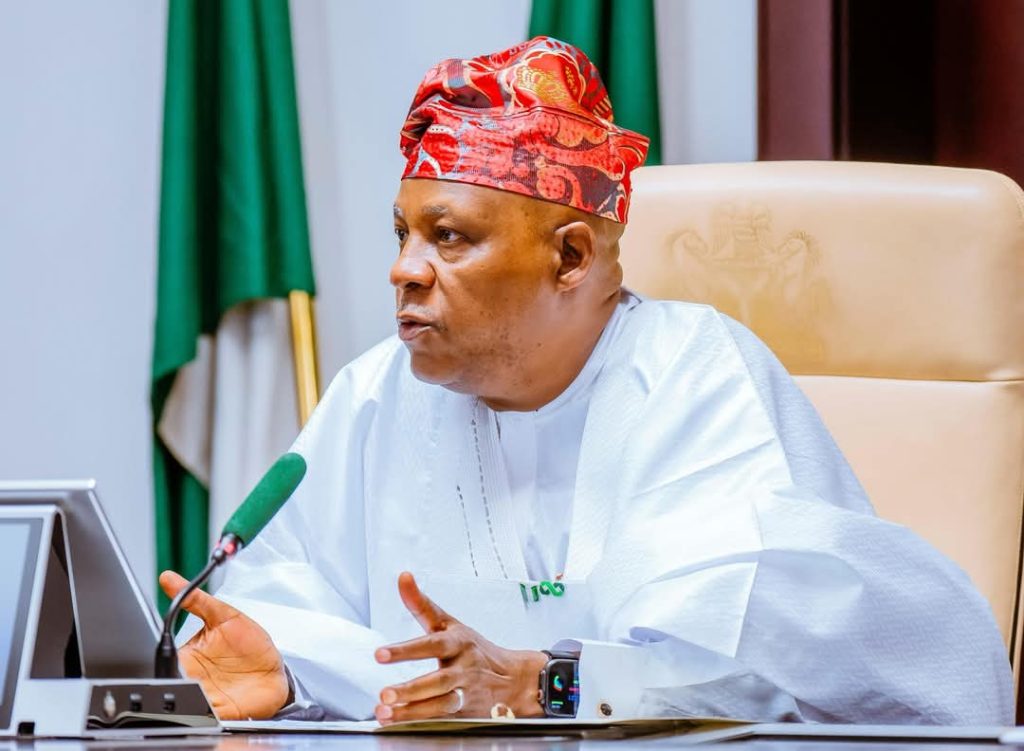
Vice President Kashim Shettima has stated that President Bola Ahmed Tinubu’s administration is not leading Nigeria from afar, but rather engaging directly with the people through key national reforms...
This is as he reaffirmed the commitment of the administration to inclusive governance and responsive policymaking rooted in public engagement and empathy.
Shettima, who stated this on Tuesday in Kaduna at a 2-day interactive session on Government – Citizens Engagement, organised by the Sir Ahmadu Bello Memorial Foundation, said the Nigerian leader has demonstrated time and again that his administration is “neither crafting policy in solitude nor assuming that technocracy alone delivers results.”
The Vice President who was represented by the Special Adviser to the President on General Duties (Office of the Vice President), Dr Aliyu Umar Moddibo ,declared that the Tinubu administration is convening conversations and institutionalising listening.
“It is always a privilege to gather under the luminous legacy of Sir Ahmadu Bello, his memory reminds us that leadership is not simply about occupying office, but about shouldering the burden of service. What we nurture today is not just a government of the people but a government with the people,” he said.
Read also:Inside VP Shettima’s Philosophy of Humble Service
Shettima highlighted several reforms of the administration where public input significantly shaped final outcomes, including tax policy, education access, and economic relief measures following the removal of fuel subsidies.
On the student loan law which was initially passed as the Access to Higher Education Act, the VP said in response, the administration repealed and reenacted the law, “removing income ceilings and guarantor barriers that had become symbolic walls between ambition and opportunity.”
Shettima reiterated government’s belief that “no student should be disqualified for being born on the wrong side of poverty.”
On tax reforms, Shettima said the administration established a Presidential Tax and Fiscal Reform Committee, which engaged stakeholders from across the country to address grey areas in the reforms.
“When objections arose from governors and citizens alike, the President did not dismiss them. He ensured tax bills passed through public hearings. Even unpopular taxes inherited from past regimes, like the 10% single-use plastic levy and telecom tax, were suspended after critical review,” he stated.
The VP also spoke about the contentious issue of fuel subsidy removal, saying the Tinubu-led federal government acknowledged the hardship faced by ordinary Nigerians and accompanied the policy with strategic responses.
He continued: “We met with labour unions not with threats, but with empathy. We offered palliative packages, increased wages, waived diesel taxes, and introduced alternatives like CNG buses to cushion transport costs. We were not merely reacting. We were responding.”
The Vice President said the reforms in other sectors of the economy followed the same pattern of engaging with the people and making necessary adjustments to the original propositions where necessary.

 Agency News
 admin
admin