 Abubakar Siddiq Ibn Usman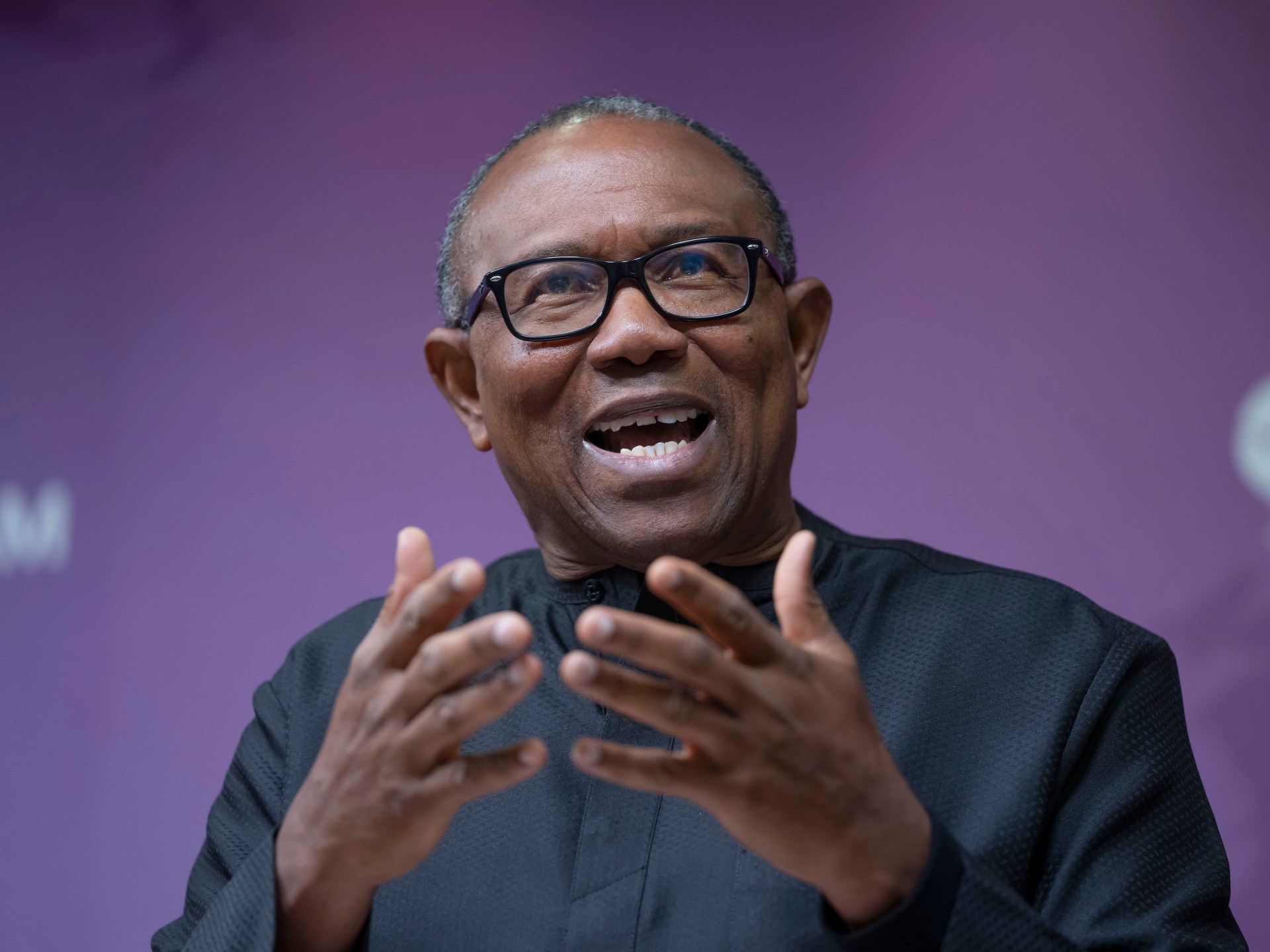
Former Anambra State governor and Labour Party presidential candidate, Peter Obi, has strongly criticised Nigeria’s rising debt burden, describing it as a dangerous trend that threatens the nation’s economic stability and future generations.
Reacting to the Senate’s recent approval of new external loans of $21 billion, €2.2 billion, and ¥15 billion alongside a ₦750.98 billion domestic bond and a €65 million grant, Obi said the government’s borrowing spree has become excessive and reckless, with little evidence of improvement in the lives of citizens.
According to Obi, Nigeria’s total public debt, currently at ₦149.39 trillion, could climb to ₦187 trillion following these approvals and may surpass ₦200 trillion by the end of 2025. He warned that the nation is drifting into unmanageable debt levels without tangible progress in vital sectors like education, healthcare, infrastructure, and security.
Writing via his verified X handle, Obi noted that Nigeria’s debt-to-GDP ratio is the highest in its history. Before rebasing, the debt represented nearly 70% of the country’s GDP; even after rebasing to ₦372.8 trillion, it still accounts for over 50%, a worrying sign for any economy.
Obi argued that despite the heavy borrowing, Nigerians continue to suffer. “We are seeing a massive rise in multidimensional poverty, poor healthcare access, underfunded education, worsening insecurity, and decaying infrastructure,” he said.
He highlighted a disturbing report from Médecins Sans Frontières (Doctors Without Borders), which revealed that 652 children had died due to malnutrition in Northern Nigeria, particularly in Katsina State.
According to Obi, this grim reality contradicts the massive loans taken in the name of national development.
Read also:SDP to El-Rufai: Out, off limits for 30 years
Obi further pointed to alarming statistics: over 10,217 lives lost and 672 villages sacked in just two years, despite an increase in security funding from ₦2.98 trillion in 2023 to ₦4.91 trillion in 2025. Additionally, only 60,000 km of Nigeria’s 195,000 km road network are paved, and the power grid still delivers under 5,000 MW for over 200 million people.
“This is not just poor governance rather it is mortgaging the future of our children,” Obi said. He emphasised that while borrowing can be necessary, it must be tied to productive ventures that deliver real value to the nation.
He called for a complete overhaul of Nigeria’s fiscal approach, urging leaders to adopt transparency, accountability, and prudent spending.
Obi concluded with a call to action: “It is time to return to disciplined economic management, cut the cost of governance, invest in people, and ensure every borrowed kobo delivers measurable results. That’s the path to a truly New Nigeria.”

 admin
admin
 Rabiu M. Hamza
 Agency News